Pulled Back Recovery Timeline: How I Healed My Lower Back Strain in 8 Days
By Jerome Lopez
Two weeks ago, I pulled my hamstring during jiujitsu.
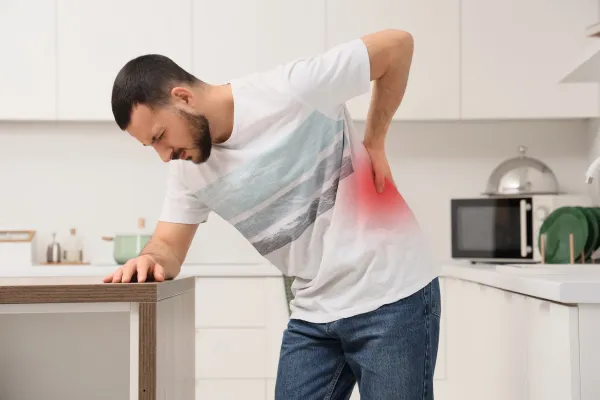
One week later, I pulled my back so badly I could barely walk.
Pain level: 9.5 out of 10.
I was visibly twisted to one side. Standing up took strategy. Getting into bed took planning. Sleeping was a constant battle.
And the irony isn’t lost on me—I’ve spent years helping people recover from injuries. But this time, I was the patient.
This is exactly what happened, what worked, what didn’t, and how I recovered to about 90% in just over a week.
If you’ve ever thrown your back out, you know how disruptive it can be. My goal here is simple: help you recover faster and avoid the mistakes I almost made.
How It Started: One Compensation Leads to Another Injury
On January 29th, I slightly pulled my hamstring during jiujitsu training. Nothing catastrophic, but enough to take about a week and a half off.
When I returned on February 7th, my goal was to stay conservative. Focus on defense. Avoid explosive movements.
But during one round, I twisted out of a tough position—and subconsciously avoided using my injured hamstring. That compensation shifted stress into my lower and mid-back.
I felt a tweak.
I shut it down immediately and took another full week off.
By February 14th, I felt about 90% recovered.
Then real life intervened.
That night, I carried heavy laundry baskets downstairs.
One small twist.
One sharp pull.
Within hours, my back locked up.
By Sunday morning, I could barely walk.
The First Thing I Did: I Asked ChatGPT
Anyone who knows me knows this: I plug most things into ChatGPT.
Business decisions. Engineering problems. Recovery protocols.
This was no different.
Within hours of the injury, I started researching the fastest way to recover from an acute lower back strain. The key takeaways were clear:
Avoid aggressive stretching early
Reduce inflammation first
Use heat to relax muscle spasms
Protect the injured area
Gradually restore safe movement
This immediately changed my approach.
Instead of stretching and guessing, I focused on reducing inflammation and allowing my body to stabilize.
This was a major turning point.
My Lower Back Strain Recovery Timeline
Day 1–2: Acute Phase
Severe pain (9.5/10)
Could barely stand upright
Muscles in constant protective spasm
Day 3: Turning Point
Introduced anti-inflammatory medication
Continued heat therapy
Noticed meaningful improvement
Day 4–5: Functional Improvement
Walking became easier
Less muscle guarding
Brace helped stabilize movement
Day 6–7: Major Progress
Mobility significantly improved
Pain reduced dramatically
Day 8: About 90% Recovered
Moving mostly normally
Preparing for cautious return to jiujitsu
What Helped Me Recover the Most
1. Anti-Inflammatory Medication (Biggest Impact)
This was the single biggest accelerator of recovery.
Reducing inflammation allowed my muscles to relax and restored normal movement patterns faster.
Once inflammation dropped, everything improved.
2. Heat Therapy Helped Relax Muscle Spasms
Heat was incredibly effective in the early phase.
It helped:
Relax muscle spasms
Increase circulation
Reduce stiffness
Improve mobility
I used a simple heating pad consistently, and it provided real relief.
3. Back Brace Provided Critical Stability
I used the FEATOL Back Brace for Lower Back, and it made a noticeable difference.
It didn’t magically fix the injury—but it provided stability during vulnerable movements like standing, walking, and transitioning between positions.
It helped bridge the gap between injury and functional recovery.
One tip: if you’re between sizes, go smaller for better support.
4. Topical CBD Balm Helped Relax Local Muscle Tension
I also used the Papa & Barkley Releaf Balm, which helped reduce localized muscle tension and discomfort.
It became part of my daily recovery routine, especially during the first few days.
It didn’t eliminate the injury—but it helped reduce muscular tightness and improved overall comfort.
5. Sleep Helped — But Was Hard to Manage
Sleep is when your body repairs itself, but getting comfortable was difficult.
I naturally move a lot in my sleep, and every small shift triggered discomfort.
I had to reposition myself frequently—sometimes every 10–15 minutes.
One unexpected advantage was having a very solid bed frame, which allowed me to pull and reposition myself safely without twisting.
This helped more than I expected.
What Didn’t Help: Stretching Too Early
The instinct to stretch immediately is strong—but in the acute phase, it can make things worse.
Your muscles are in protective spasm for a reason.
Stretching aggressively too early can prolong recovery.
Reducing inflammation and allowing stabilization first was far more effective.
What I Wish I Had Access to Earlier: Spinal Decompression
One thing I didn’t have easy access to—but wish I did—was a pull-up bar.
Gentle hanging decompresses the spine and relieves pressure.
Even short hangs can help relieve compression and improve mobility.
This is something I’ll use proactively going forward.
The Biggest Lesson I Learned
This injury reinforced something simple but powerful:
Recovery is about creating the right conditions for healing.
Not forcing progress.
Not panicking.
Just supporting the body properly.
The combination of:
Reducing inflammation
Using heat
Supporting movement safely
Avoiding early stretching
And allowing time
Made all the difference.
Where I Am Now
Eight days later, I’m about 90% recovered.
My goal is to return to jiujitsu this week—but cautiously.
This experience gave me an even deeper appreciation for recovery.
Because when your back goes out, everything changes.
But with the right approach, recovery can happen faster than you think.
